
The Escape Lanka Team
Travel writers and local guides at Escape Lanka, sharing fir...
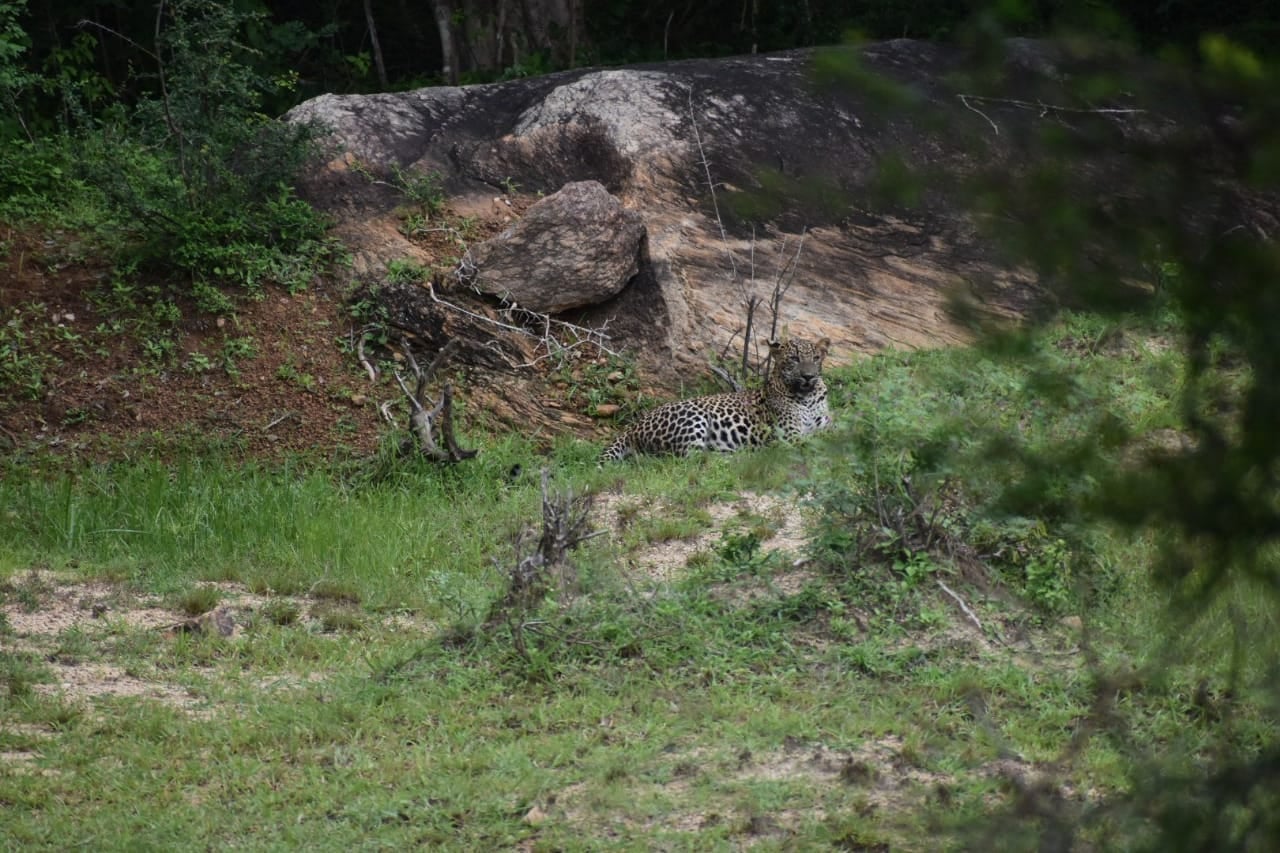
Sri Lanka ranks among the world's premier leopard safari destinations, offering visitors exceptional chances to observe the Sri Lankan leopard in its natural environment. The island combines accessible national parks, knowledgeable safari guides, and remarkably high leopard populations that draw wildlife enthusiasts and photographers from across the globe.
The optimal period for leopard sightings is the dry season, spanning roughly February through August. During these months, animals congregate around shrinking water sources, reduced vegetation improves visibility, and safari conditions are at their best. Yala and Wilpattu National Parks are the two most reliable places for a successful encounter.
From February to April, dry weather in Yala increases leopard movement and makes for excellent safari conditions. Peak sightings often fall between May and July — an ideal window for photography. August remains favourable, though visitor numbers rise during the holidays. December and January are another good option, especially in Yala, where pleasant weather and green landscapes create beautiful safari scenery.
Yala National Park holds one of the world's highest leopard densities and is Sri Lanka's most celebrated safari destination. Morning drives beginning around 5:30 AM yield the greatest success. Wilpattu offers a quieter, more intimate alternative, with its distinctive natural lakes and dense forest, and far fewer visitors — particularly between May and September.
Leopards are most active during the cooler hours of the day. Early morning safaris (roughly 5:30–9:30 AM) and late afternoon drives (around 2:30 PM to sunset) offer the best chances. An experienced guide makes an enormous difference — reading behaviour, spotting fresh tracks, and understanding current movement patterns. Wear neutral colours, keep quiet, carry binoculars, avoid sudden movements, and always respect the park rules.